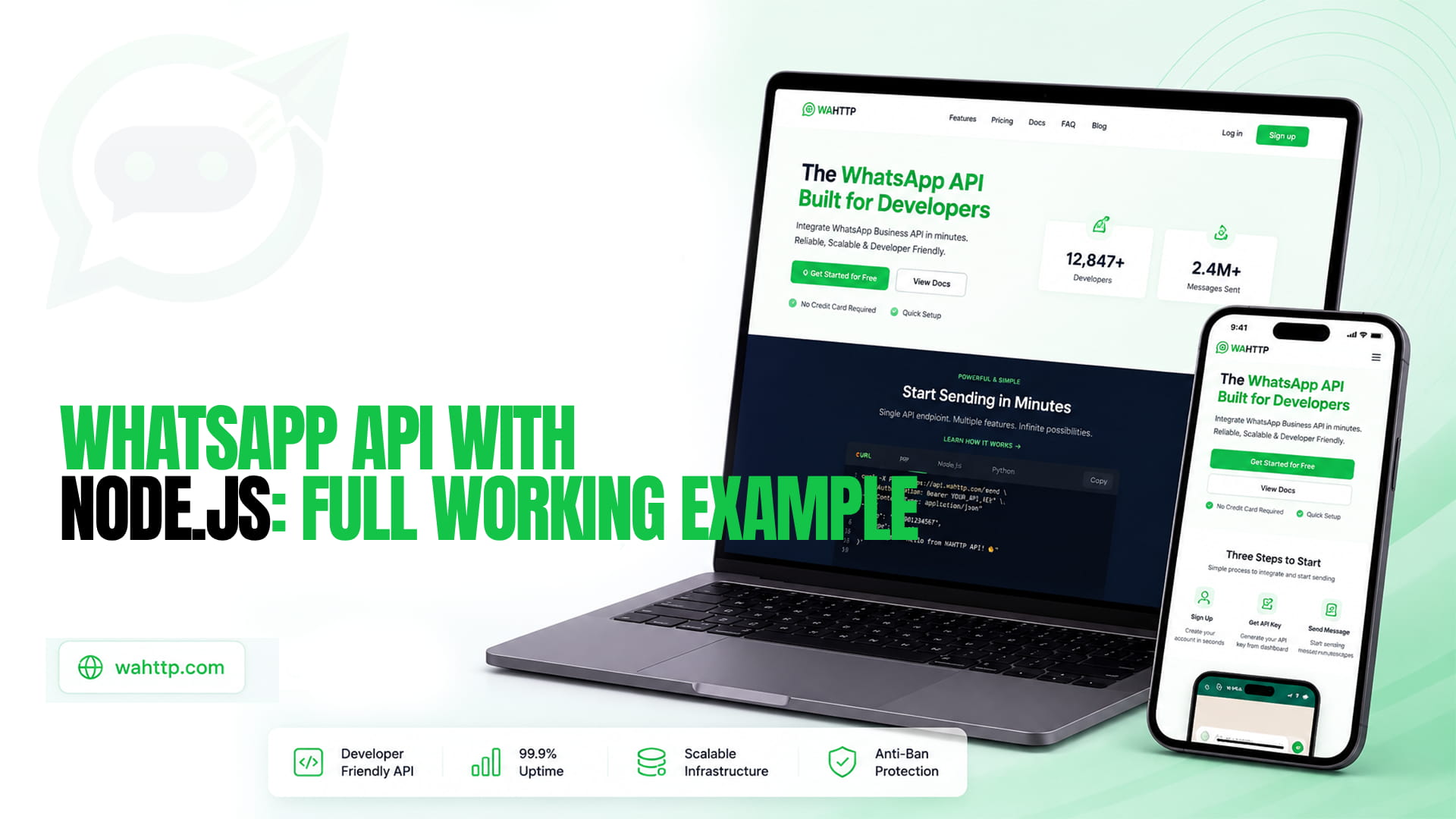
WhatsApp API with Node.js: Full Working Example
A complete Node.js setup for sending and receiving WhatsApp messages over a plain REST API, using nothing but the fetch that's already built into Node. No SDK, no vendor lock-in, working code first.
 Featured
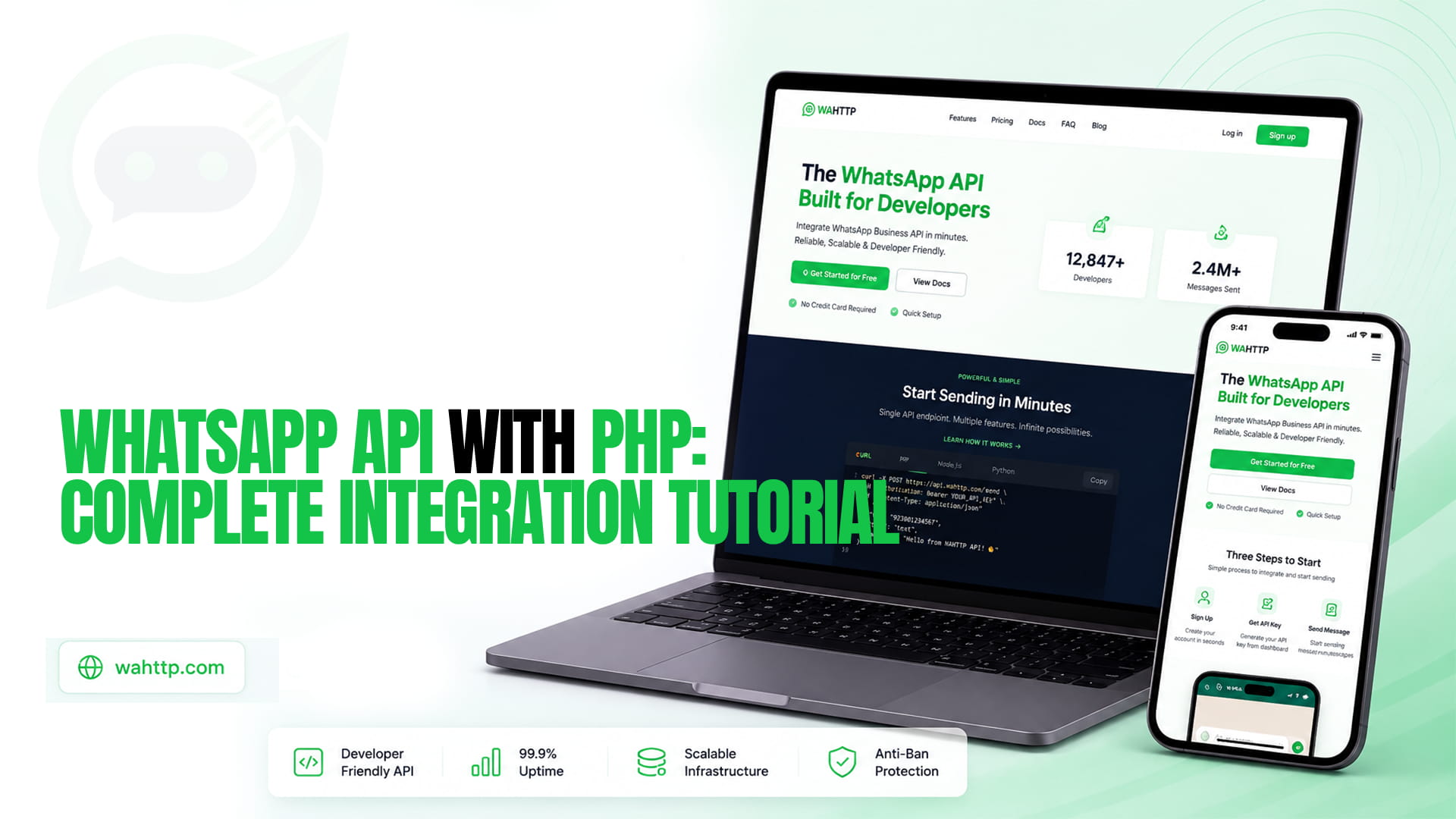
A complete, plain-PHP setup for sending and receiving WhatsApp messages over a REST API, using nothing but the cURL extension that ships with every standard PHP install. No Composer package required, working code first.
A complete Node.js setup for sending and receiving WhatsApp messages over a plain REST API, using nothing but the fetch that's already built into Node. No SDK, no vendor lock-in, working code first.
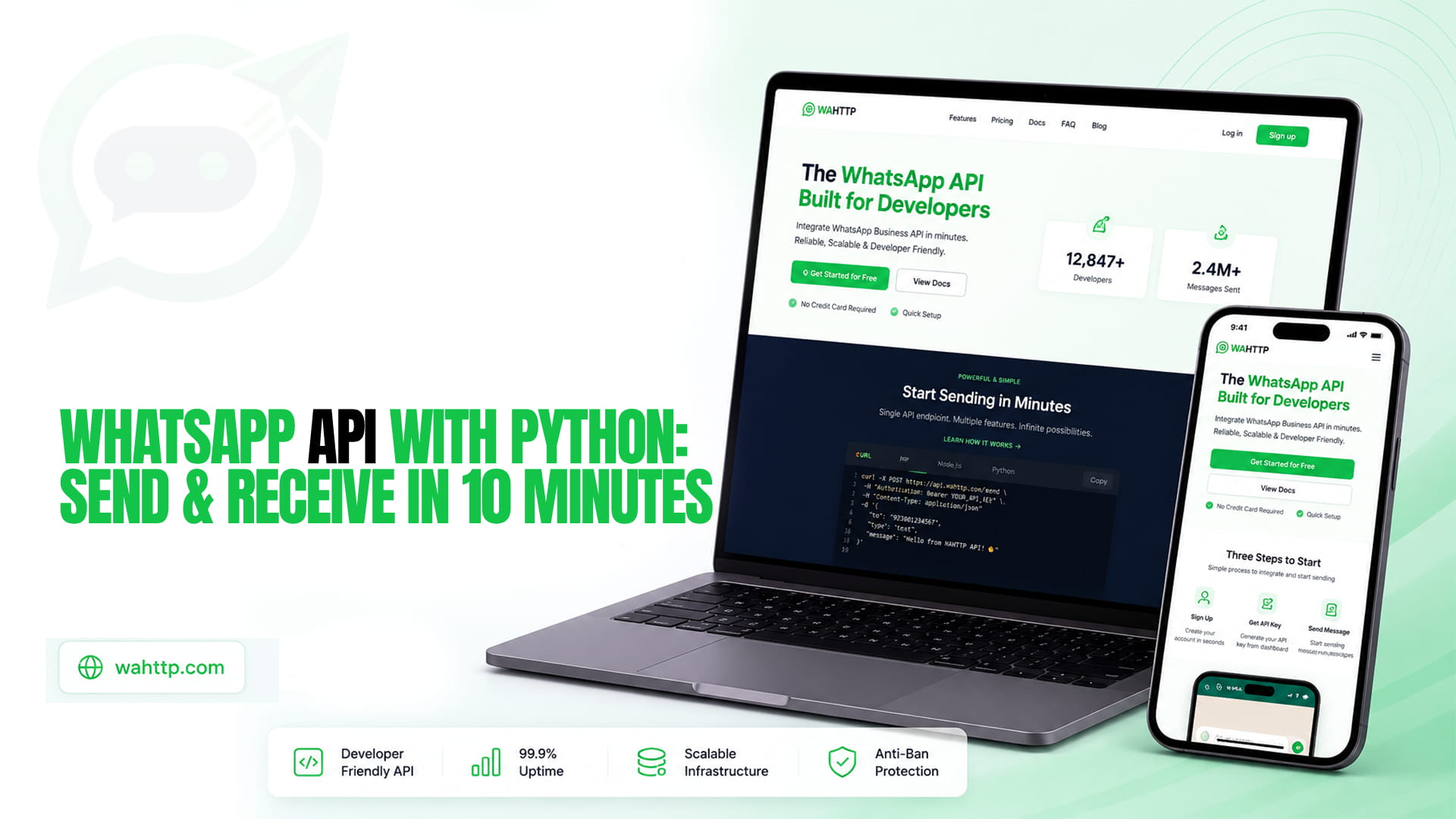
A complete, copy-paste Python setup for sending and receiving WhatsApp messages over a plain REST API, no SDK, no vendor lock-in. Working code first, the details that actually trip people up after.
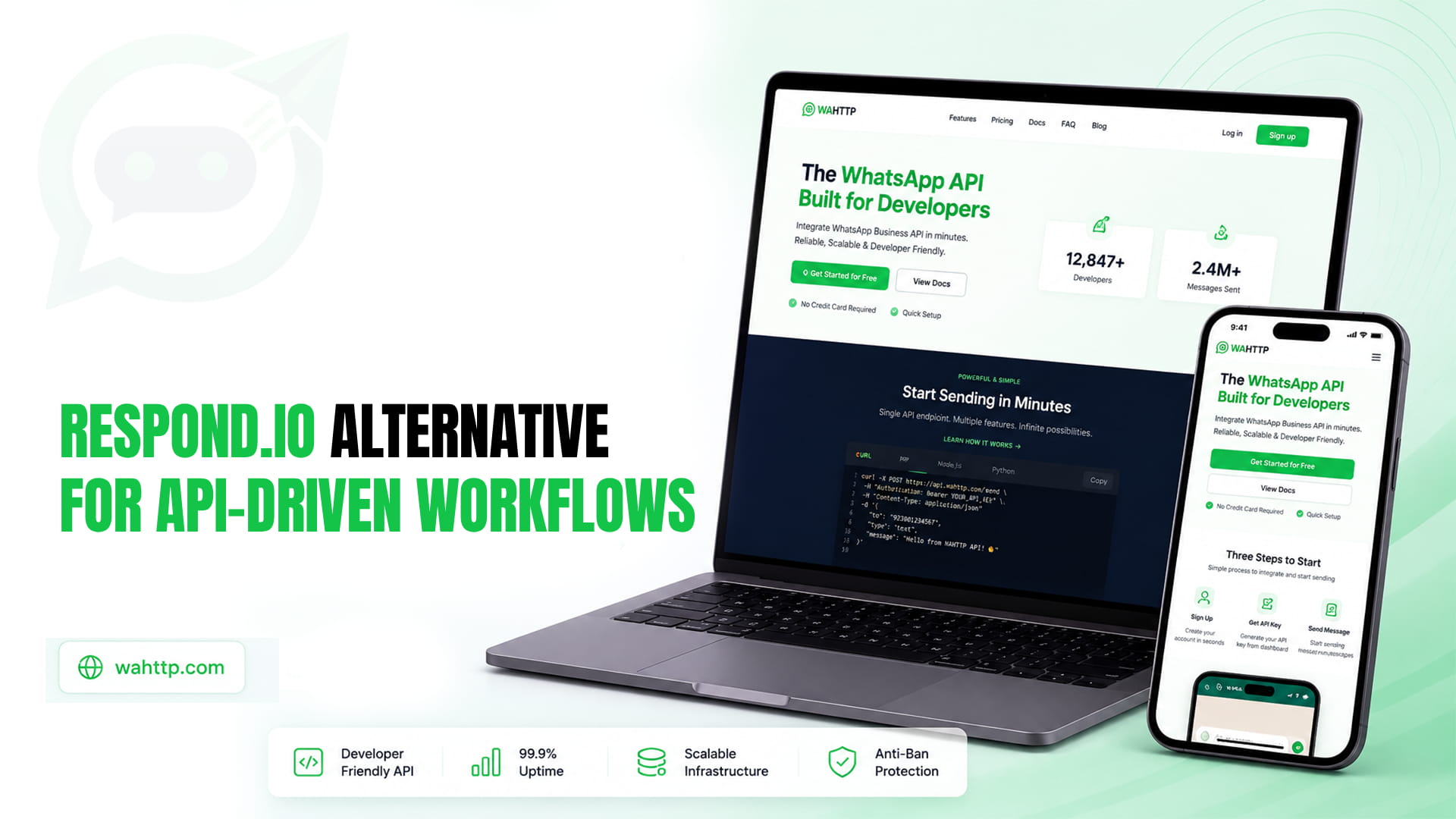
One of respond.io's own reviewers praised it for not complicating things with "API conditions." That's a real compliment if you're a support team that wants a shared inbox. It's the opposite of what you want if your whole plan is to build on the API, which here means climbing past the entry tier before you can even start.
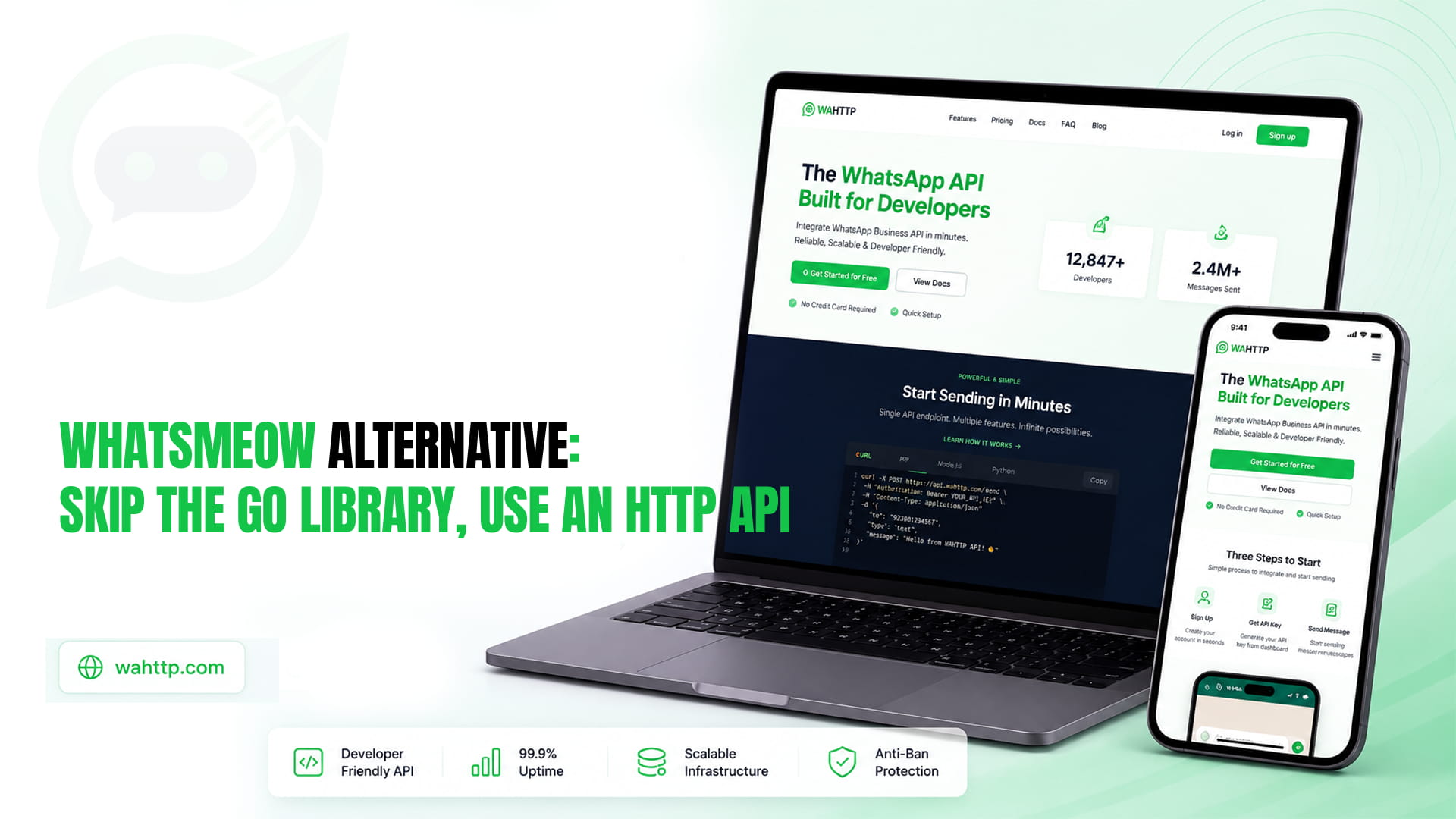
Whatsmeow is a genuinely well-built Go library, maintained by the engineer behind Beeper's WhatsApp bridge. It is also not an API. If your team isn't writing Go, or doesn't want to build session persistence, a REST layer and webhook delivery on top of a library, here is what to use instead.
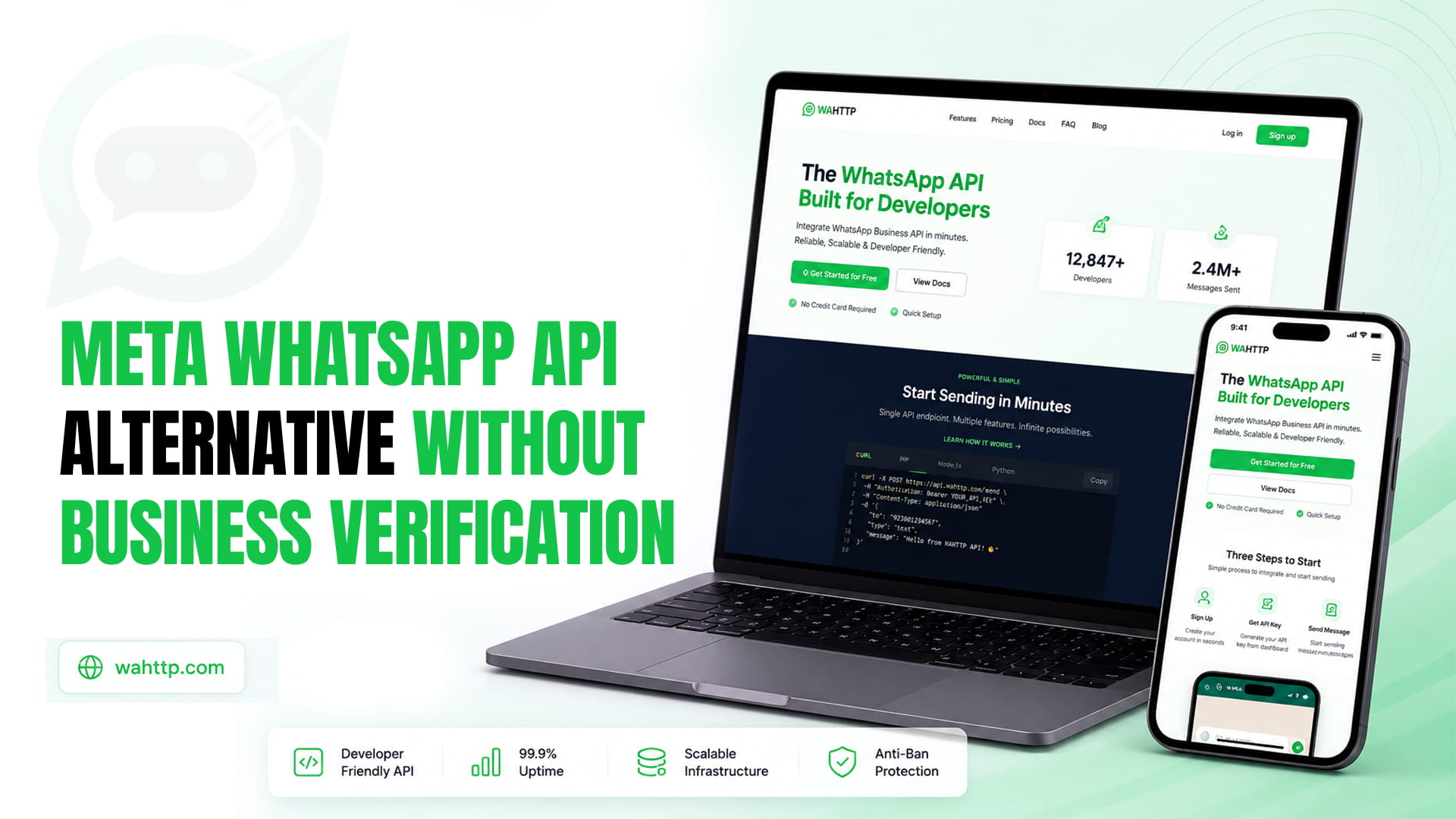
Business Verification is not a formality you wait out. It requires a registered legal entity, a document proving it, a matching address, and a website that agrees with all three. If any of those does not exist yet, here is what actually works instead.